
Solid wood vs flat-pack
Our immediate surroundings have the ability to make a hugely positive difference to our daily lives - a concept we are all experiencing firsthand at the moment – and when form and function are effectively combined, allowing our homes to deliver on practicality as well as reflecting our style, it can set every day up to a positive start.
When making decisions on the furniture within that space, a multitude of different considerations come into play including fit, finish, materials, design and size. Antique, vintage or contemporary solid pieces that are ready to go but might necessitate compromise on size or fit, alongside flat-pack items that can be delivered to your door but aren't made to last, are all in the mix.
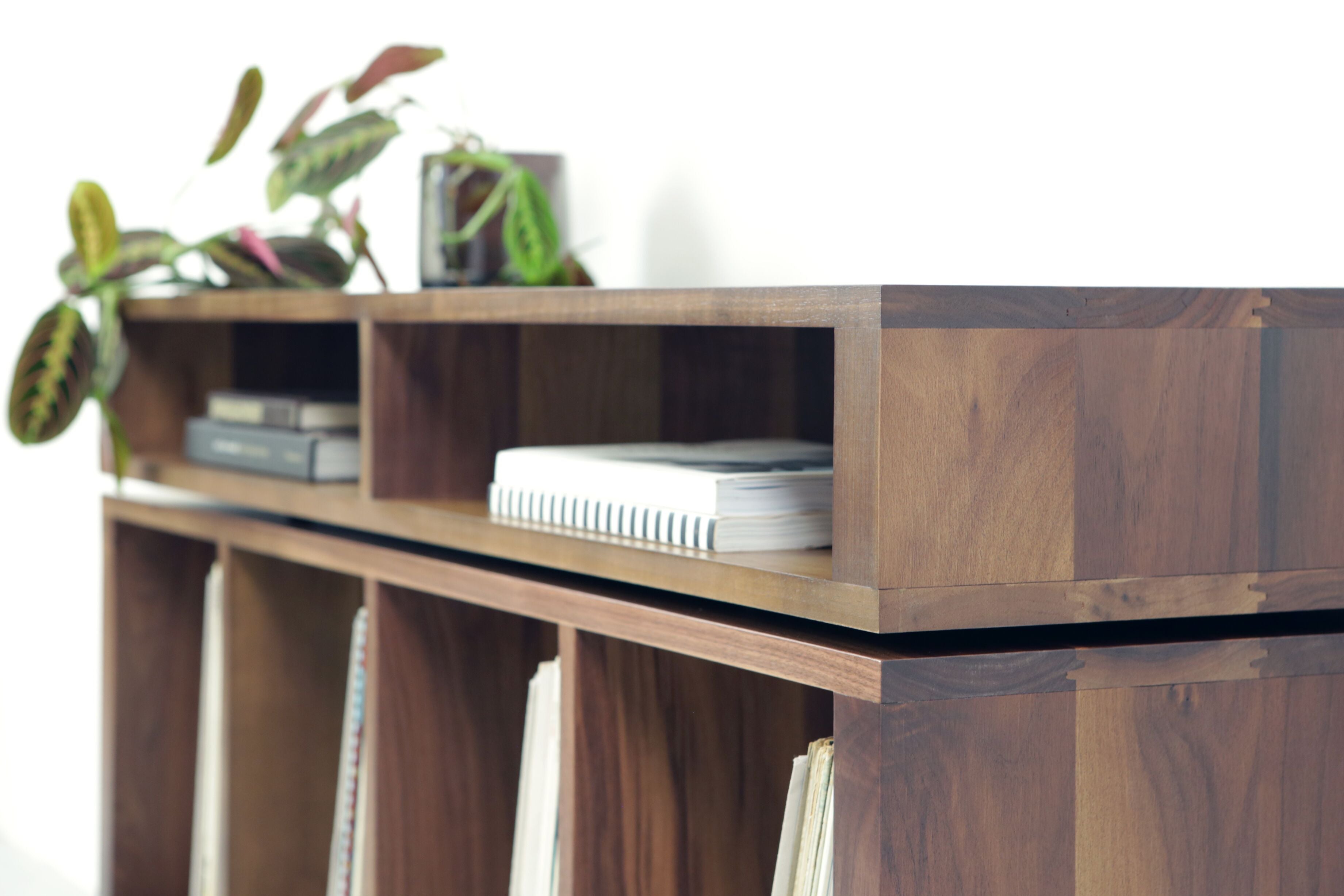
Our custom built wood furniture is designed to last and can be tailored to fit your space and style. The designs are minimal showcasing the authenticity and quality of solid wood, plus every piece is easily transportable and straightforward to construct.
We bring together the character and quality of solid wood with the flexibility of self-assembly furniture and so we consider the pros and cons of each...
Flat-pack
 Image: Getty images
+
Affordability: The most common reason people buy flat-pack furniture is that it can be an inexpensive way to furnish a property. (However, the financial sense behind depends on the priorities, repeatedly having to replace and update furniture that is less than sturdy tends to negate that initial cost saving.)Easy transportation: Self-assembly furniture can be easily delivered in its component parts as opposed to negotiating solid pieces through awkward spaces.
Size and scale: Inherent versatility tends to be designed into flat-pack furniture to optimise space in smaller homes and this style of furniture can be scaled up or down.
Choice: Most designs come in a variety of colours and finishes to suit a range of styles and interiors.
-
Leftover screws: The most renowned disadvantage is that assembly can be far from straightforward. Problematic instructions and leftover parts are the most common complaints not to mention endless hours (and arguments!) dedicated to this pursuit.Less than perfect finish: Once assembled as you stand back to admire your handiwork, the frustration experienced when drawers don’t shut properly or cupboard doors are wonky is relatively unmatched.
Low durability: Widely manufactured from man-made MDF, flat-pack won’t last as long as solid wood furniture, especially if it has been dismantled and put together several times.
Ubiquitous design: Mass-produced, flat-pack furniture tends to share a similar aesthetic; while colours and finishes can vary, individual style and originality can be limited. These are products meant to be put together by the buyer, therefore the design is simplified as much as possible.
Hidden costs: The low initial cost of flat-pack furniture really is a false economy. With most pieces only lasting a year or less, buying multiple times over a lifetime after flat-pack furniture repeatedly gives up the ghost, inevitably adds up.
Solid wood

+
Strength and durability: Wood is a long-lasting and robust material with innate stability and reliability. This durability ensures that wooden furniture offers sound value for money as well as easy maintenance (waxing, polishing or oiling only need to be carried out occasionally).
Character: Solid wood furniture offers timeless beauty. When crafted by a skilled craftsman, there is boundless potential for design innovation within solid wood furniture and the tactile nature of solid wood brings an inimitable warmth and character to a space.
We use a select range of solid wood timbers that complement the linear forms of our designs, highlighting the beauty of the wood, allowing the natural character and individuality of the material itself to take centre stage.
Sustainability: When responsibly sourced and certified, wood is an ecologically sound way of furnishing a home.
Wood that is responsibly sourced is actually the only renewable building material around—trees that are harvested for their wood can be replenished by new growth. What's more, the carbon footprint that results from the production and processing of wood products is drastically lower than that for other building materials. And with up to 50% of the dry weight of wood being carbon, they also have the capacity to store carbon, something that’s crucial in the fight against climate change.
Variety: The vast range of colours and tones of wood combined with the subtle but noticeable differences between the grains and textures of different species and cuts makes every piece of solid wood furniture unique.
Versatility: Wooden furniture can blend seamlessly with any design scheme, be it modern or rustic, and different species will bring different characters within one room or house.
Value: If you want a piece of furniture that will last, stand up to the rigours of day to day use, and look beautiful, the real value for money is in solid wood furniture. When you purchase solid wood furniture, you have a piece that will last for decades, if not generations.
-
Water: Wood is vulnerable to water and moisture can damage wood finishes and soak into the wood underneath, causing it to split and swell.
Light: Ultraviolet light can change the wood’s colour and damage its surface. In a way that’s similar to the affect sunlight has on skin, sunlight can break apart chemical bonds in wood and cause the surface to change colour. (Although solid wood furniture with a durable and protective topcoat over the finish is likely to resist discolouration over time.)
Scratches: Wood finishes can be scratched or damaged by sharp objects. While the topcoat should make your furniture resistant to damage caused by everyday use, sharp or heavy objects may scratch the finish, which could expose the wood underneath.
Repair: Damage can be repaired but requires patience and skill. Extensive damage on a wooden surface can require a craftsman’s touch but is ultimately an investment in the lifetime of the piece.

Blog posts
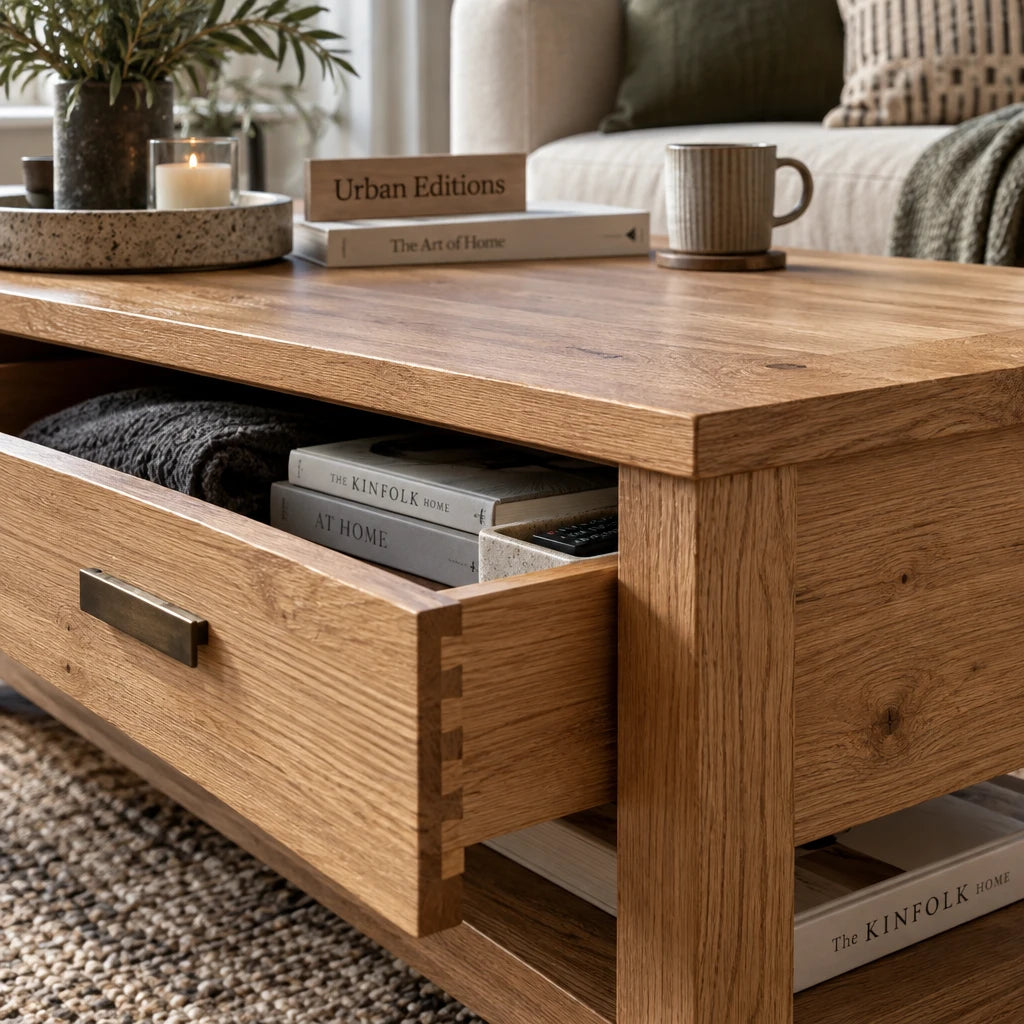
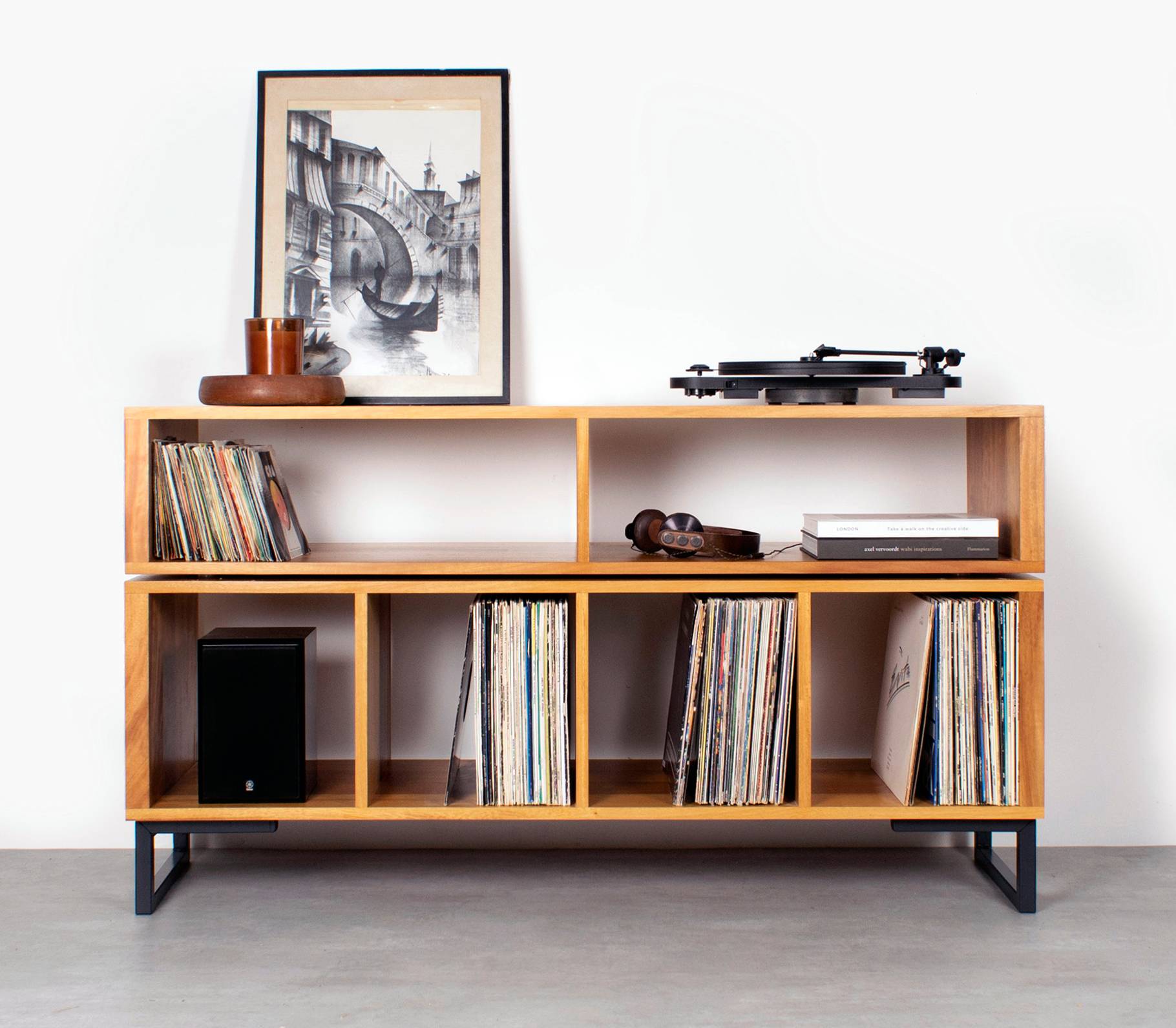
Coffee Table With Storage: Practical Solid Wood Designs for Living Rooms
Choose a coffee table with storage that clears clutter, suits your sofa and gives you usable shelves, drawers or cupboards in solid hardwood.
Read more
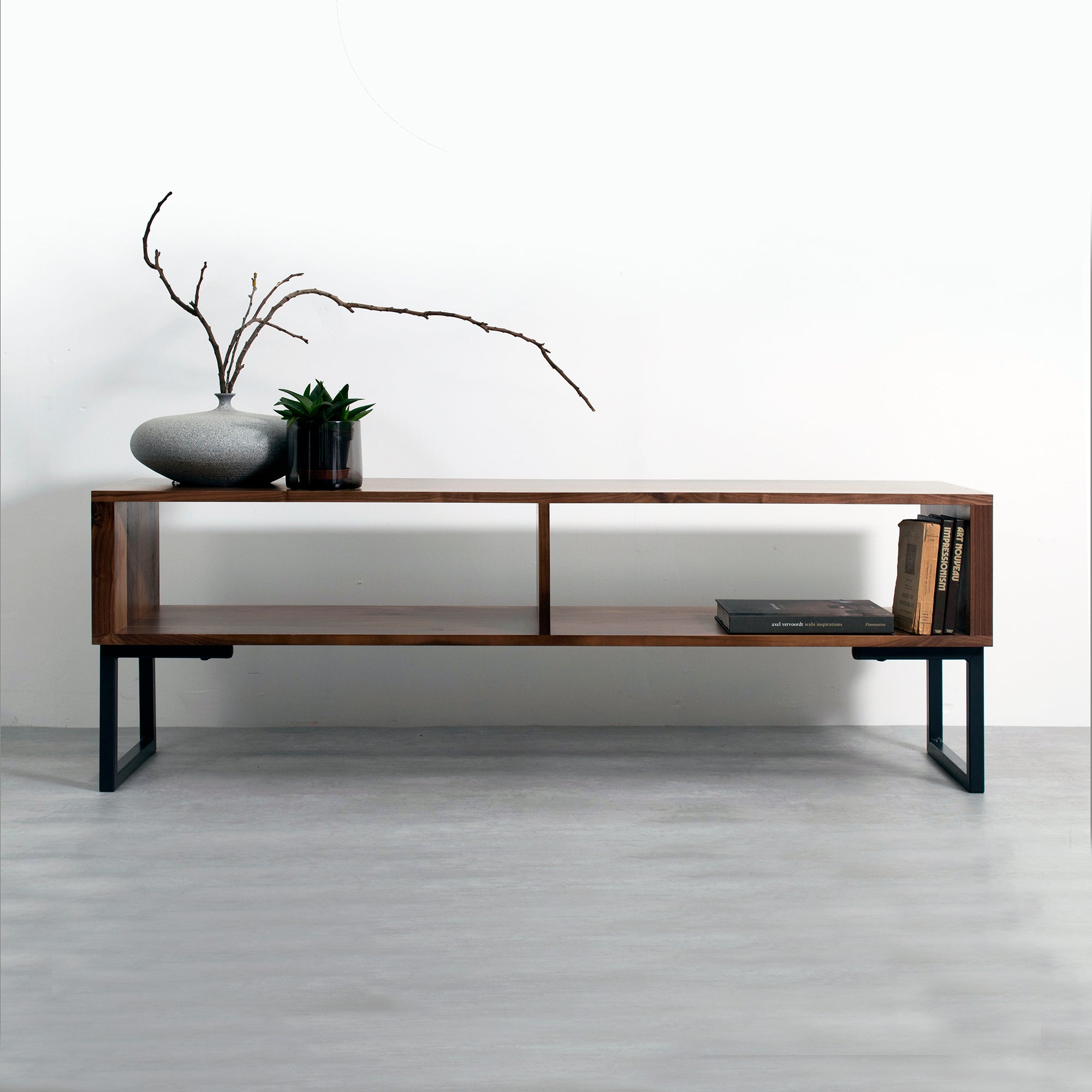
Is Walnut Furniture Expensive? What Sets the Price of Solid Walnut
Is walnut furniture expensive? Compare UK price ranges, timber costs and construction details to decide when solid walnut is worth paying for.
Read more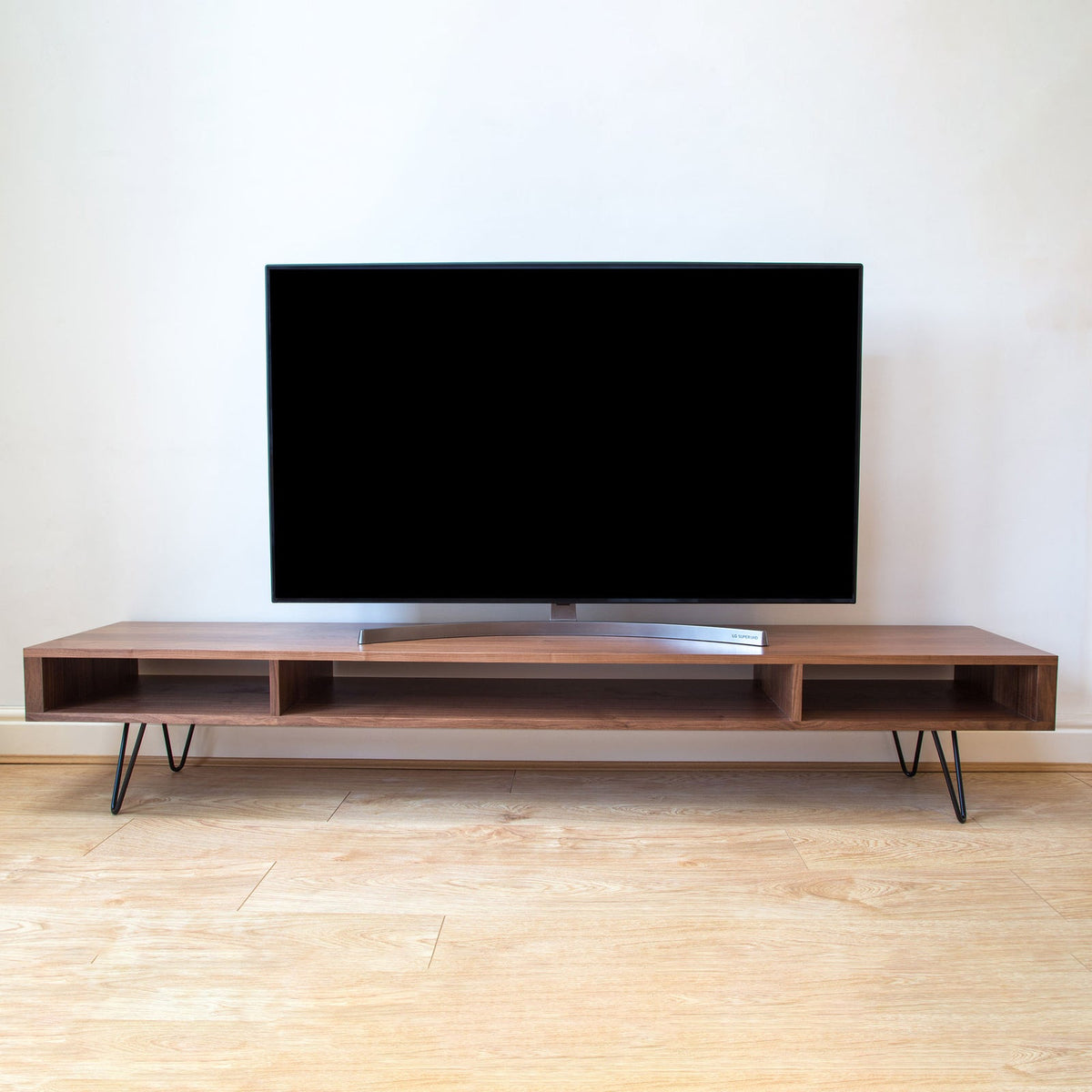
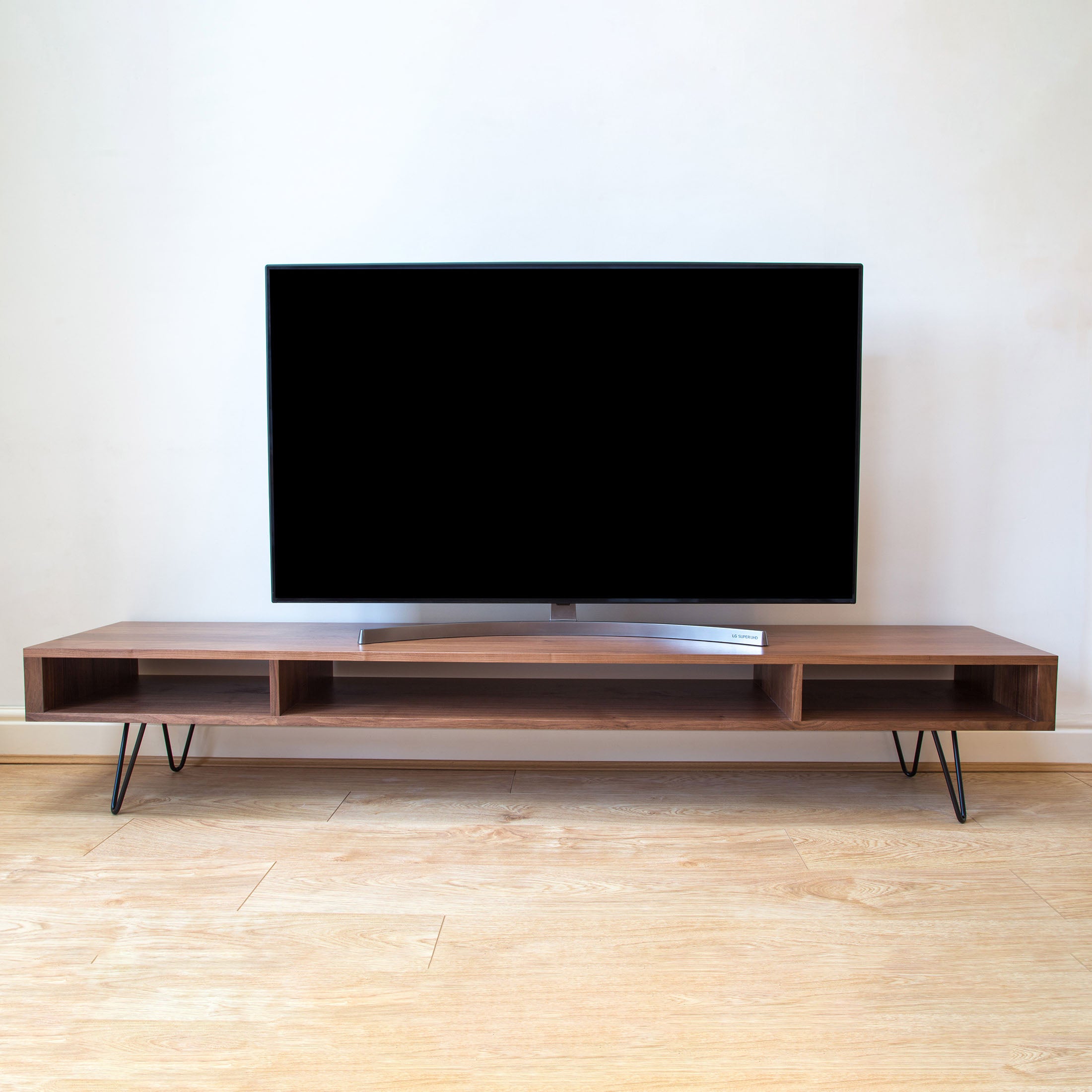
Media Console for an 85 Inch TV: Choosing a Unit Wide Enough
Choose a media console for an 85 inch TV: compare 200–240 cm widths, calculate side margins and check feet, depth and load capacity.
Read more