September SPECIAL OFFER! Sign-up to our newsletter to receive the latest offers and news.
Woods Furniture: Choosing Timber for Lasting Interiors
20% VAT changes the final price of furniture in the UK, but timber choice often has a greater effect on long-term value. The right woods furniture keeps its character, accepts repairs and suits the way you use a room. Choose poorly, and an attractive finish can look wrong within a year.
You do not need the hardest or most expensive wood. You need a species, construction and finish that work together. Oak, walnut, ash and iroko each create a different balance of colour, grain, daily resilience and maintenance.
Key Takeaways
Oak offers dependable durability and broad design flexibility
Walnut gives darker colour and a more refined visual weight
Ash suits lighter rooms and clearly marked grain
Iroko works well where toughness and warm colour matter
Finish quality affects maintenance as much as species
Joinery and construction decide lasting performance
The best timber balances more than hardness
The best timber for woods furniture is the species that suits the item’s job, room and finish. Hardness matters for a desktop or coffee table, but grain direction, repairability, moisture exposure and visual tone often matter just as much.
A dining table faces spills and repeated wiping. A vinyl cabinet faces static weight, door movement and the need for accurate shelving. A console table may receive lighter use but sit in strong daylight, where colour change becomes more noticeable.
Solid hardwood is timber made from natural wood throughout the relevant component, rather than a thin decorative layer over a manufactured board.
That distinction matters. Veneer can be a high-quality material, but it is not the same as solid hardwood. Wood-effect laminate may look convincing in a showroom, yet it cannot be sanded and refinished in the same way as a solid timber surface.
Hardness is only one part of the decision. A very hard timber can still split around poor fixings, show scratches under a weak finish or feel visually heavy in a small flat. Construction quality decides how well the timber performs.
For a contemporary UK interior, I would start with the furniture’s use, then select colour and grain, then confirm the finish. That order prevents a common mistake: choosing a species from a small sample before considering the full room.
Match the timber to the furniture
Shelves need stiffness and reliable support. Tabletops need a finish that handles cups, laptops and cleaning. Media furniture needs stable construction around equipment, cables and storage.
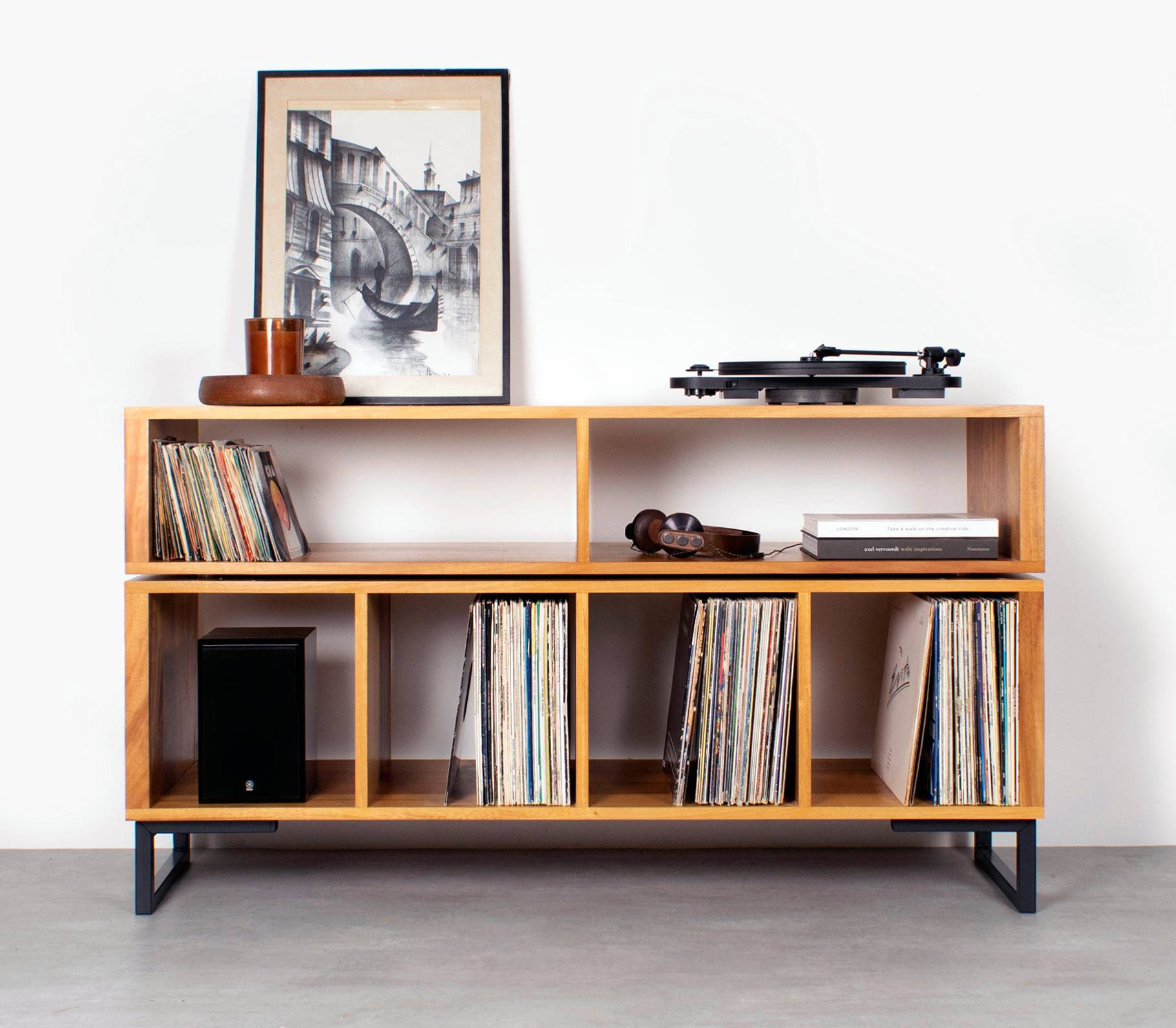
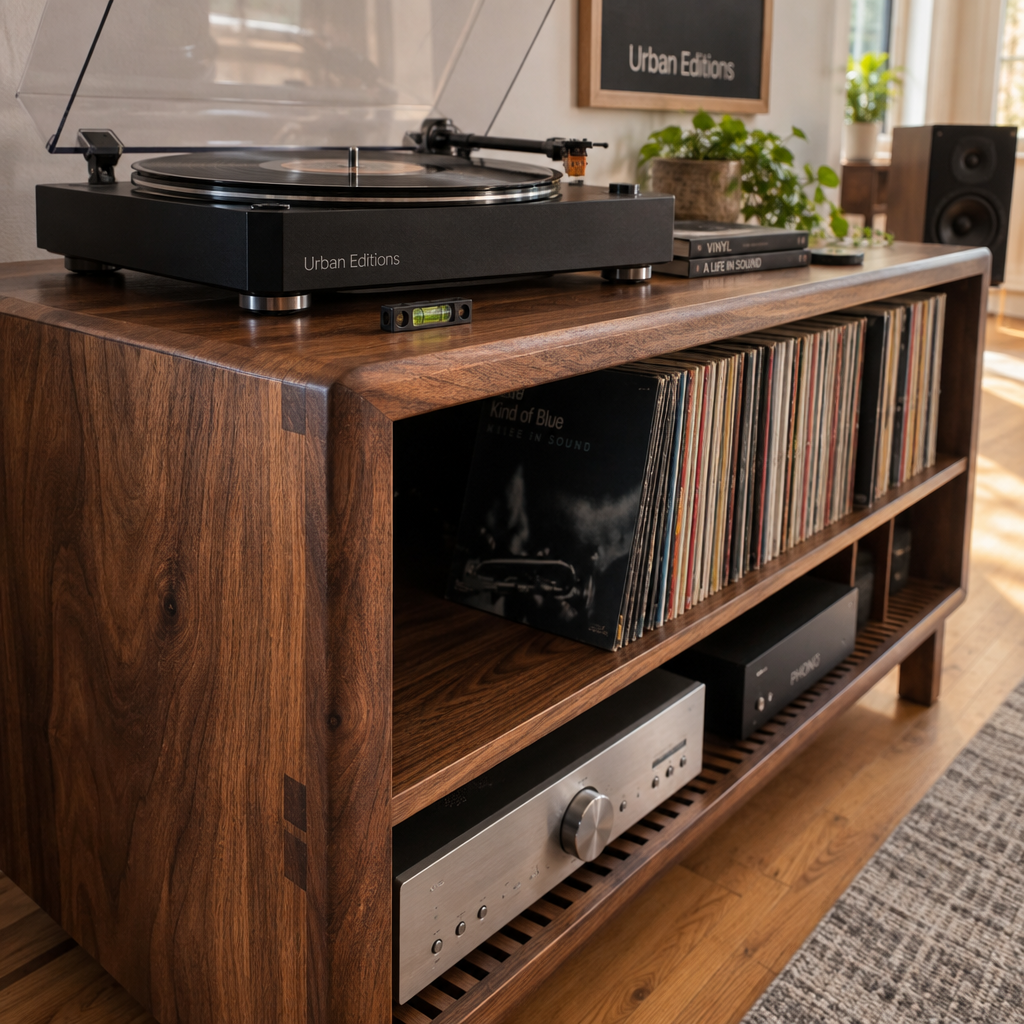
A turntable stand is a good example. It needs a level top, sensible cable access and storage that does not flex under records. The species adds character, but accurate joinery and a suitable finish protect the equipment and the furniture together.
Repairability has practical value
A solid hardwood surface may be sanded or recoated when it shows marks, depending on its thickness and finish. That gives you a route back from ordinary wear instead of forcing an entire replacement.
Repairability does not mean careless use. Standing a hot saucepan on an oiled table can still leave a mark. It means the material offers more options after five years than a printed surface that has worn through.
Oak, walnut, ash or iroko: which should you choose?
Choose oak for the broadest all-round option, walnut for darker sophistication, ash for light grain and iroko for warm, hard-wearing character. None is universally best. The right choice depends on light, furniture type and how much visual weight you want.
Timber
Typical visual character
Strong fit
Main consideration
Oak
Mid honey to pale brown, open grain
Desks, tables, TV stands
Can look busy beside strong existing grain
Walnut
Deep brown, flowing grain
Cabinets, media units, statement pieces
Darker colour needs balanced room lighting
Ash
Pale body, clear pronounced grain
Contemporary desks and shelving
Light finish shows marks sooner
Iroko
Warm golden to brown, substantial grain
Hard-wearing tables and storage
Colour variation needs careful sample checking
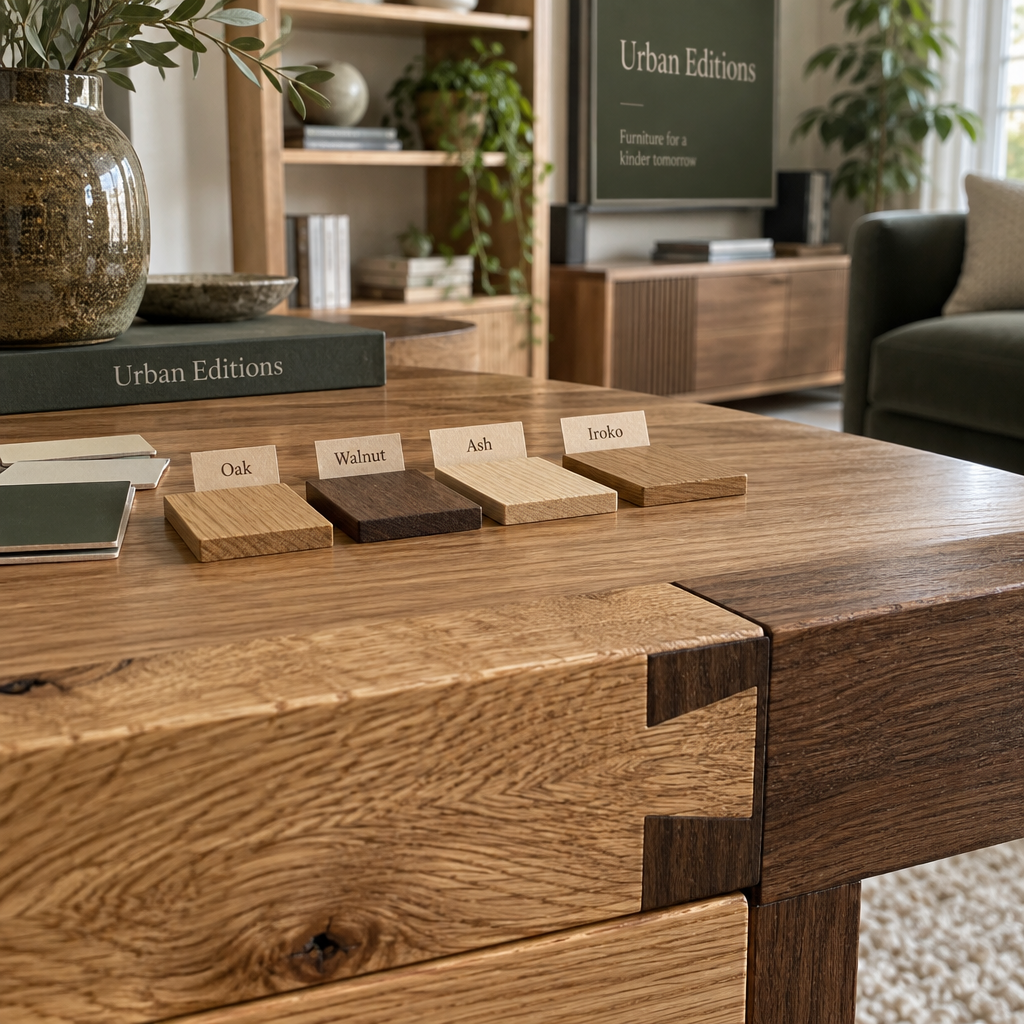
Species names do not guarantee identical appearance. A board’s position in the tree, cut, age and finish all affect the result. Two oak samples can differ in grain width, while walnut can range from medium brown to much deeper tones.
Order a sample where possible and view it beside your skirting boards, flooring and largest upholstered item. Check it in morning and evening light. A timber that looks balanced beside a north-facing window may appear much warmer under a 2,700-kelvin lamp.
The price of a species should not decide the whole purchase. A more expensive timber is poor value if it clashes with your flooring or makes a compact room feel dark. Pay for the result you want, not for a hardness ranking.
Oak furniture: the dependable starting point
Oak furniture fits both traditional and minimalist rooms because its grain has presence without requiring a period-style design. A pale oak desk can soften a white room, while a darker finish gives a TV stand more visual weight.
Oak also gives you room to change accessories later. Brass, black metal, leather and muted painted walls all work with its natural range, which makes oak a practical choice when your interior is still developing.
Walnut furniture: depth without decoration
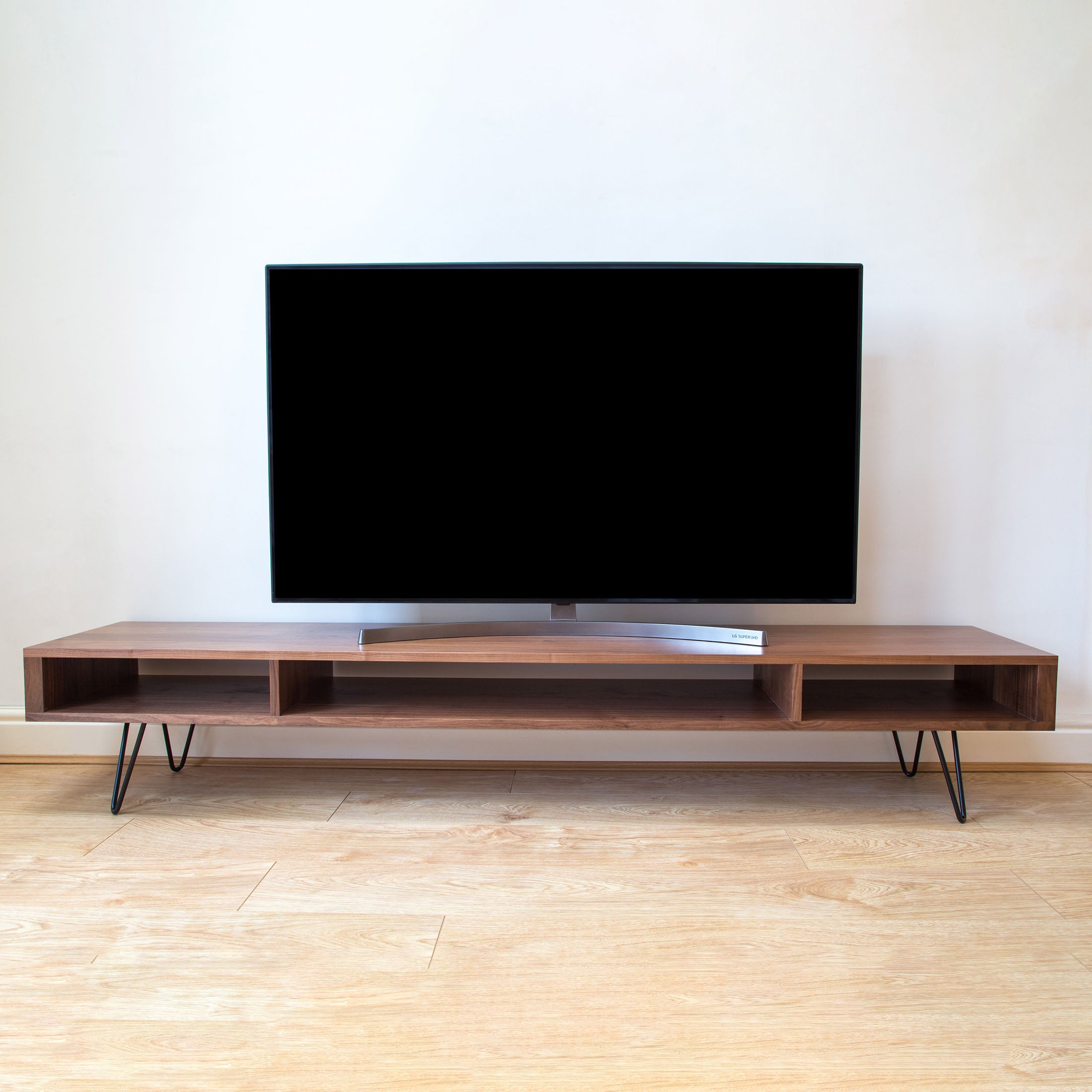
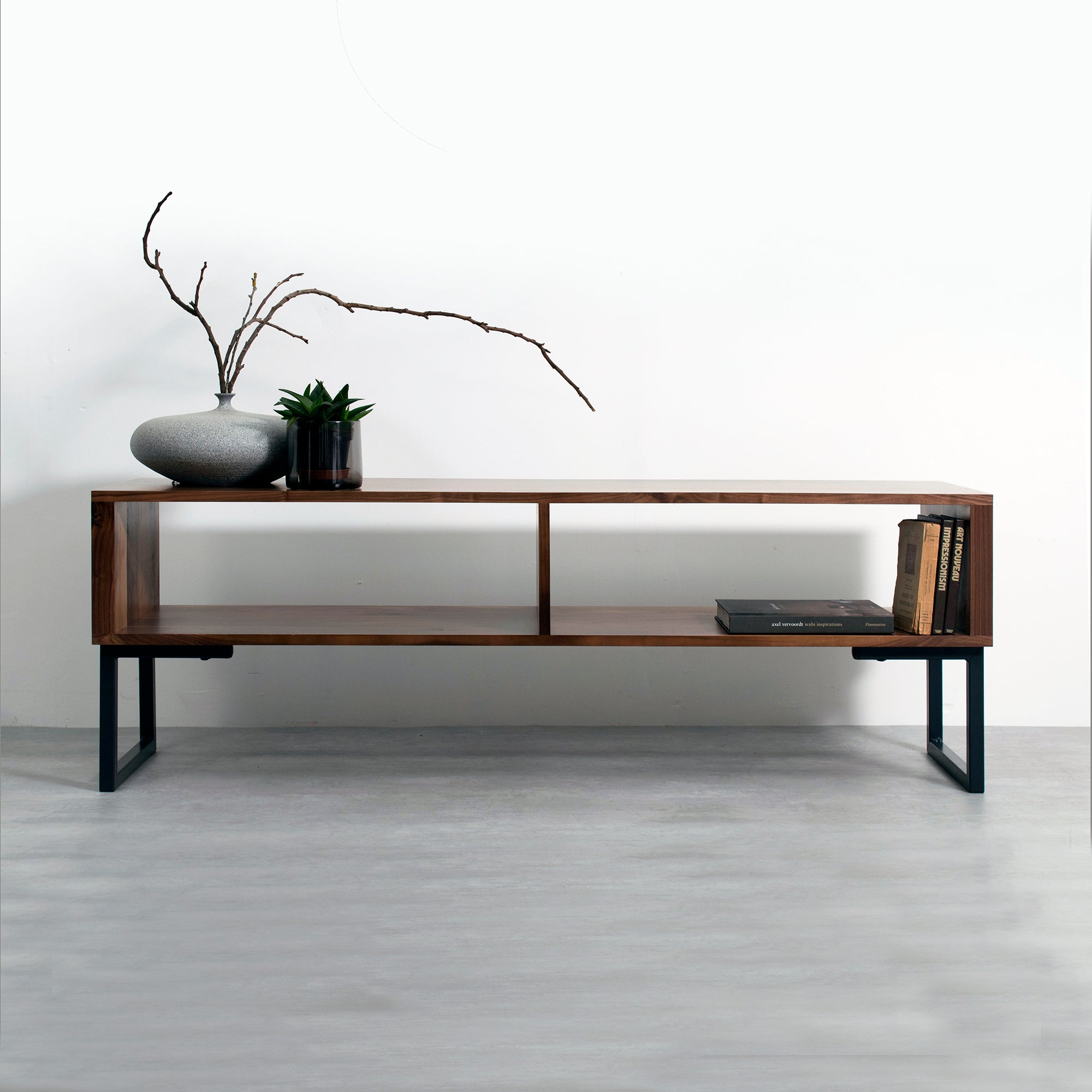
Walnut furniture brings colour through the timber itself. Its darker brown tone works particularly well on a low media unit, vinyl cabinet or console where you want a strong horizontal line.
Use walnut carefully in a small or poorly lit room. Pairing it with pale walls, lighter flooring or open space prevents the piece from becoming a dark block. View a sample at least 50 centimetres from the wall colour, rather than holding it directly against the paint.
Ash and iroko furniture
Ash has a lighter base and a lively grain, so it suits interiors that need brightness without a painted finish. It works well for desks and storage where you want the timber to remain the first visual feature.
Iroko has a warmer, more substantial appearance. It is a strong choice for furniture that needs a confident presence, but its natural variation makes a sample especially useful before ordering a large cabinet.
How room light and existing finishes change the result
A timber sample is not a room decision. Place it beside the floor, wall and nearby furniture, then judge it under both daylight and evening lighting. Room context matters more than a product photograph.
North-facing rooms usually show cooler, flatter light, while south-facing rooms receive stronger warmth for part of the day. This is not a reason to follow a rigid rule. It is a reason to check whether the wood’s undertone fights or supports the light you already have.
Flooring creates another risk. A walnut cabinet on a reddish oak floor may look muddier than expected because both surfaces compete for attention. A pale ash piece can separate the two, while a darker painted wall may give the cabinet clearer definition.
Keep the number of timber tones under control. If your room already has timber flooring, a dining table and exposed beams, adding another prominent grain may feel unsettled. In that situation, choose a related tone or make the new piece deliberately different.
Colour also changes with finish. Oil often deepens the appearance of raw timber, while a clear water-based finish can preserve a lighter look. Ask what finish will be used before judging a raw sample.
Use a simple room check
Take four photographs: near a window at 10:00, in the middle of the room at 14:00, after sunset and with the main lamps on. Place the sample in each frame. The exercise takes less than an hour and exposes colour shifts that a single showroom image cannot show.
Consider scale, not only colour
Dark walnut on a 1,800mm-wide media unit makes a stronger statement than the same timber on a small side table. Large uninterrupted surfaces show grain and colour more clearly, so a sample must be judged against the intended dimensions.
This is where built-to-order furniture has a practical advantage. You can select dimensions that leave breathing space around a cabinet instead of forcing a standard width into a narrow alcove.
Samples prevent expensive mismatches
A sample cannot show every board in a finished piece, but it gives you a reliable direction for colour and finish. Keep it for comparison when choosing handles, paint and lighting.
The Urban Editions lets you order wood samples before choosing its UK-made solid hardwood furniture, which is a sensible step when you are comparing oak furniture with walnut furniture for the same room.
Finish and joinery decide how furniture ages
Finish protects the surface, but it does not correct weak joinery. Look for accurately aligned doors, cleanly formed joints, stable panels and a finish suited to the furniture’s expected use.
An oiled surface gives timber a natural feel and allows local maintenance, but it needs periodic attention. A lacquered or varnished surface offers a more sealed barrier, though repairs may require blending a larger area rather than treating one small mark.
There is no universal maintenance timetable. A desk used for eight hours a day needs more attention than a console table in a hallway. Follow the maker’s care instructions and keep abrasive sprays away from finished hardwood.
Use coasters and wipe spills promptly, especially on coffee tables and desks. Water left around a plant pot can mark a surface even when the timber itself is durable.
A strong finish cannot make unsuitable construction reliable. Check how the doors, shelves and legs are made, not just whether the timber looks attractive.
Joinery to look for
Traditional joints such as mortise and tenon can create strong connections when accurately made. Dowels, screws and mechanical fixings also work well when correctly specified. The visible result should be square, stable and free from movement.
Open a cabinet door and inspect the gaps. Uneven spacing, rubbing edges or a shelf that bows under a light load suggest problems with accuracy or support. One rough edge does not prove failure, but several small faults deserve attention.
Finish for real use
A vinyl cabinet needs a finish that tolerates handling around doors and record storage. A desktop needs resistance to regular contact with hands, notebooks and drinks. A TV stand needs easy dusting around screens and cables.
Do not apply household polish unless the maker recommends it. Some products leave silicone or wax residues that complicate later refinishing. A soft, slightly damp cloth is the safer starting point for most finished timber.
Construction affects sound and stability
Media furniture has a particular requirement: it should remain stable when equipment is placed on top and when doors or drawers operate. A turntable also needs a level, steady surface.
For media furniture timber choices, the solid hardwood media units collection provides a useful starting point because the timber decision is considered alongside the cabinet’s purpose, storage and proportions.
Buying solid hardwood furniture without paying for the wrong thing
Start with a written brief. Record the maximum width, depth and height, the equipment or items to store, the preferred colour and the conditions around the furniture. A 1,200mm alcove and a 1,800mm media wall require different decisions.
Then work through the purchase in this order:
Measure the space, including skirting boards and door swings.
List the weight and dimensions of stored items.
Compare timber samples in daylight and lamp light.
Confirm the finish and care requirements.
Check joinery, delivery access and final dimensions.
Approve the specification before the build begins.
Built-to-order furniture often costs more than mass-produced wood-effect furniture because the work includes material selection, making time and individual finishing. The benefit is a closer fit and greater control over the outcome. The drawback is that you must approve measurements carefully before production.
Ask whether “wood” means solid hardwood, veneer, engineered timber or a printed board. Each can be appropriate in the right setting, but they offer different repair options and surface behaviour. A seller who explains the construction clearly is easier to assess.
Sustainable sourcing also deserves a direct question. Look for information about responsibly sourced timber and the maker’s material policy rather than assuming every wood product has the same origin. Sustainably sourced timber and durable construction work together: replacing furniture early wastes the material’s value.
When standard furniture is enough
A standard piece works when the room has generous space, the storage need is simple and the finish already suits your interior. It can also be sensible for a temporary rental, although solid hardwood is still a stronger long-term material than a thin decorative surface.
Measure before buying. A cabinet that is 40mm too deep can obstruct a walkway, while a desk that is 100mm too wide may prevent a door from opening fully.
When built-to-order earns its price
Choose built-to-order furniture when the room has an awkward alcove, your equipment needs precise storage or you want to control timber, dimensions and finish together. This approach is especially useful for vinyl storage, where record dimensions and access affect the cabinet design.
Allow roughly a weekend for careful measuring, sample review and layout decisions before placing an order. The making period varies by workshop and design, so confirm the current lead time at the point of purchase rather than relying on a general estimate.
What to inspect on delivery
Check the dimensions, doors, shelves and visible faces before removing all packaging. Photograph any transit issue immediately and keep packaging until the delivery has been accepted.
Allow timber to settle into the room’s normal temperature and humidity. Do not place a cabinet directly against a damp external wall, and keep furniture away from a radiator where repeated heat could stress joints or finishes.
Choosing timber for media, storage and work furniture
Media furniture needs more than a good-looking front. It must hold equipment, manage cables, provide useful storage and maintain a clean profile in the room.
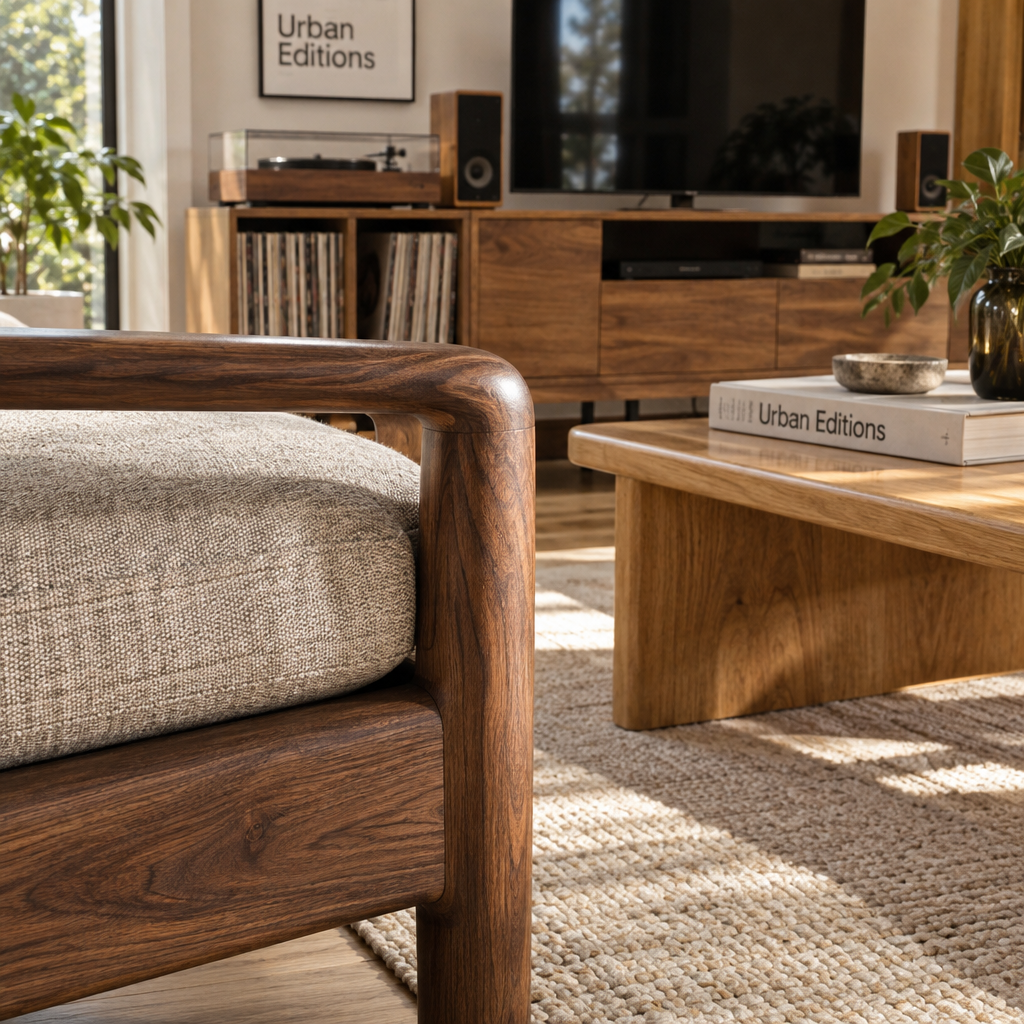
Oak is the safest all-round choice for a media unit when you want visible grain and a mid-tone finish. Walnut suits a darker, more considered interior and works well with black electronics. Ash keeps a low cabinet visually light, particularly against a pale wall.
For vinyl storage, prioritise shelf support, internal dimensions and door clearance before selecting the species. Records are heavy in quantity, and repeated access places stress on hinges and handles. The wood should support the design rather than distract from those practical requirements.
A turntable stand needs a steady top and sensible equipment height. Avoid choosing a delicate-looking design simply because it matches a photograph. Check that the layout leaves room for cables and allows you to lift the tonearm without knocking nearby objects.
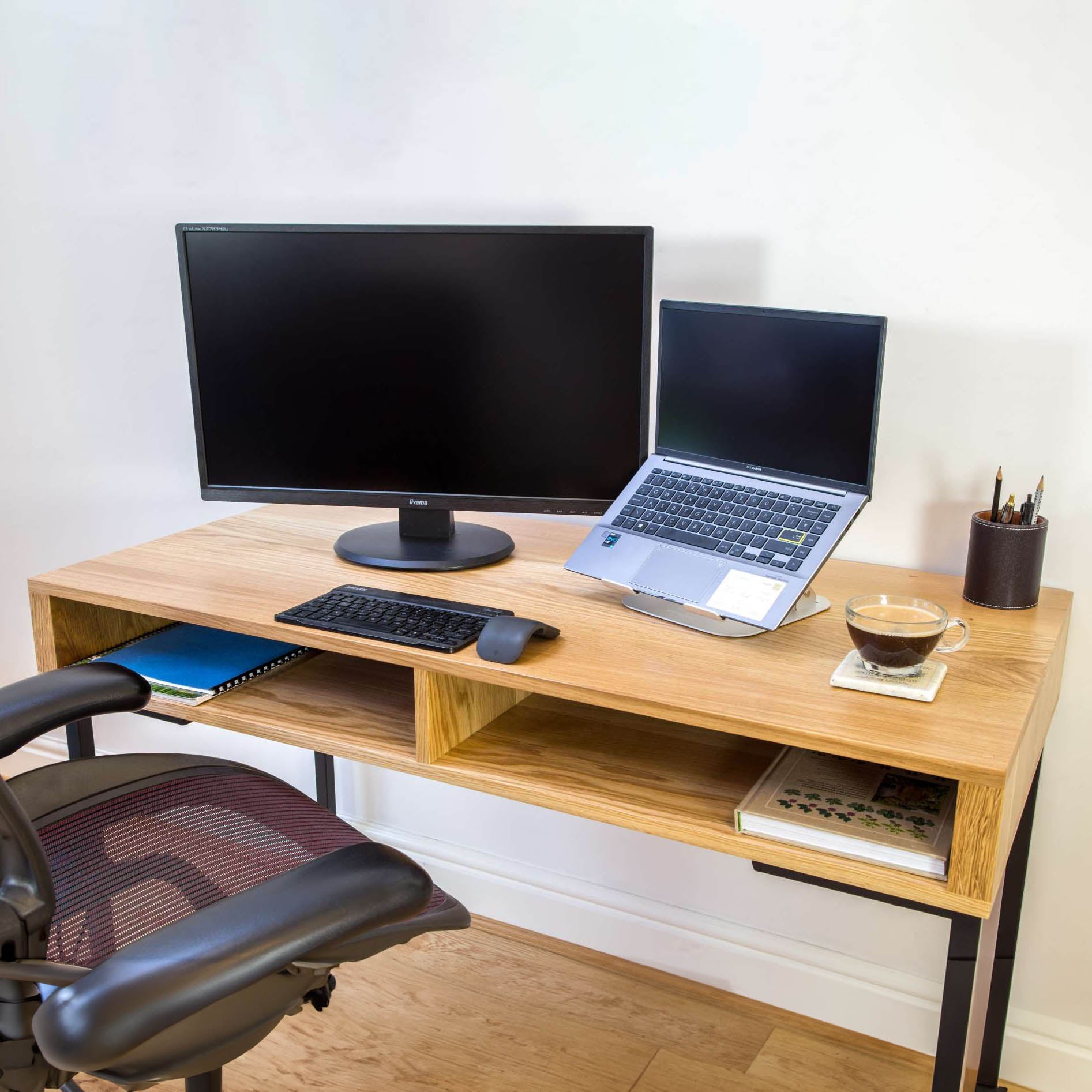
Desks demand a different balance. Ash or oak can give a bright working surface, while walnut creates a calmer, darker setting. Whichever you choose, keep drinks away from the back edge and use a desk mat beneath abrasive equipment.
A practical comparison
Imagine a 1,600mm-wide media unit in a room with pale walls and medium oak flooring. Walnut creates contrast but needs open space around it. Oak blends more quietly with the floor, while ash provides the clearest separation without introducing a dark block.
Now place the same unit in a darker room with black shelving. Walnut may create the more coherent result because the deeper timber connects with the existing visual weight. The room changes the recommendation.
Storage changes the specification
Closed doors protect records and equipment from dust, but they need accurate alignment and appropriate ventilation around heat-producing devices. Open shelving gives faster access and a lighter appearance, but it demands more frequent dusting.
For a desk, cable holes and leg placement matter more than a small difference in timber hardness. For a cabinet, adjustable storage may matter more than an especially dramatic grain pattern.
Make the final selection
Choose oak when you want flexibility, walnut when you want depth, ash when you want lightness and iroko when you want a warm, substantial surface. Then check the proposed dimensions, finish and joinery against the actual room.
The strongest woods furniture purchase is the one that still looks right after the room changes. Rugs, lamps and artwork will move. A well-made hardwood cabinet should continue to anchor the space.
Conclusion
Choose oak for flexibility, walnut for depth, ash for brightness or iroko for warm resilience. Confirm the finish, inspect the construction and compare a sample with your flooring before ordering. If you need custom hardwood furniture options, browse the Technic vinyl storage cabinet and judge its timber choice alongside your storage needs and room dimensions.
Frequently Asked Questions
Is solid hardwood better than veneer for furniture?
Solid hardwood is the better choice when you want a surface with long-term refinishing potential and visible natural variation. Veneer can still be well made, but it has a thinner timber layer and needs different repair expectations, especially around damaged edges.
Which wood is best for a TV stand?
Oak is the strongest general recommendation for a TV stand because it suits many interiors, handles regular cleaning and avoids making a smaller room feel too dark. Choose walnut instead when the room has pale walls and you want a stronger contrast.
Does hardwood furniture need regular maintenance?
Yes, but the amount depends on the finish and use. Wipe spills promptly, use coasters and follow the maker’s care instructions. A frequently used desk may need attention sooner than a lightly used console table.
Can solid wood furniture change colour?
Yes. Natural timber can deepen or shift in tone with daylight and age, and finishes also affect its appearance. Keep samples away from direct comparison with a single lamp; check them in daylight and evening lighting before ordering.